Ternakan yang Berfaedah
Pelajari cara menyampaikan maklumat tentang ternakan dengan ayat yang teratur.
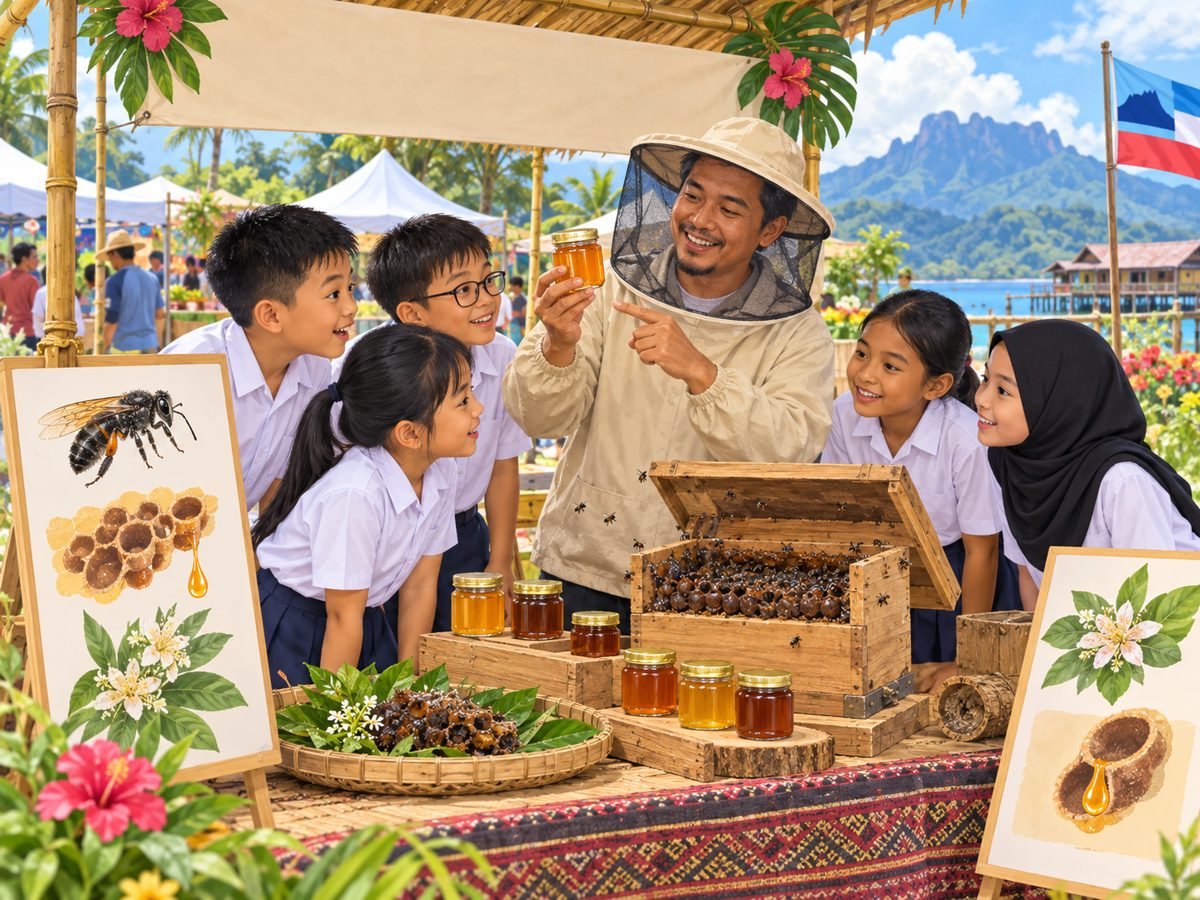
Maklumat tentang Ternakan
Maklumat ternakan boleh menerangkan habitat, makanan, keistimewaan dan hasilnya. Bezakan perkara yang dinyatakan terus dengan kesimpulan yang dibuat daripada petunjuk.
Contoh: Ayam itu tidur di atas pokok ialah maklumat tersurat. Kita boleh menyimpulkan bahawa tempat tinggi memberinya perlindungan.
资料可直接说明动物住处、食物、特点和用途,也可让读者从线索作出合理推断。先找原句,再说明推断根据。例子:文中说鸡睡在树上,可推断高处较安全。注意:推断不能离开已有线索。
Information may directly describe habitat, food, special features and benefits, or allow a reasonable inference from clues. Find the stated fact first, then explain the clue behind the inference. Example: sleeping in a tree may suggest protection at a higher place. Watch out: an inference must remain connected to the given information.
Jelaskan Maklumat Tersurat dan Tersirat
Maklumat tersurat disebut dengan jelas, manakala maklumat tersirat difahami melalui petunjuk. Jawapan lisan yang baik menyatakan fakta dahulu, kemudian sebab atau kesimpulannya.
Contoh: Ayam hutan makan biji-bijian. Oleh itu, penternak perlu menyediakan makanan yang sesuai.
明示信息能在材料中直接找到,隐含信息要根据线索推断。口头回答时先说事实,再用“因此”说明结论。例子:鸡吃谷物,因此饲养者要准备合适饲料。注意:不要把个人喜好当成隐含信息。
Explicit information is stated directly, while implied information is inferred from clues. In a spoken explanation, state the fact first and then connect it to a reason or conclusion. Example: the bird eats grains, so the keeper needs suitable feed. Watch out: a personal preference is not implied information.
Ayam hutan dijual pada harga tinggi. Apakah maklumat tersirat yang munasabah?
题目要从“售价高”推断原因。合理推断应与价值或独特性有关,并且不能违背动物需要食物的常识。例子:某品种较稀有,所以买家愿意付更高价格。注意:不要加入材料没有支持的地点信息。
Infer a sensible reason from the clue that the selling price is high. The conclusion should relate to value or a special feature and must not contradict basic animal needs. Example: a rarer breed may attract a higher price. Watch out: do not add an unsupported claim about where every bird must live.
Kenal Pasti Fakta dan Kesimpulan
Baca setiap perenggan dan tandakan fakta penting. Gunakan fakta itu untuk membina kesimpulan yang logik tentang pemilihan tempat, peralatan, penjagaan atau pemasaran ternakan.
Contoh: Air sungai sentiasa mengalir. Kesimpulannya, sangkar ikan menerima bekalan oksigen yang lebih baik.
事实来自文章原句,结论则说明这些事实意味着什么。把每个结论和最接近的原文证据配对。例子:河水不断流动,可推断鱼笼得到较好的氧气供应。注意:一个结论必须至少有一个明确线索。
A fact comes from the passage, while a conclusion explains what that fact means. Match each conclusion to the closest supporting sentence. Example: continuously flowing river water may provide better oxygen for a fish cage. Watch out: every conclusion needs at least one clear clue from the passage.
Mengapakah sangkar ikan sesuai diletakkan di kawasan air mengalir?
问题要求把环境条件和鱼的需要联系起来。选择能由“水持续流动”支持的结果,而不是绝对化的说法。例子:流动的水可带来较多氧气。注意:“完全不用清理”使用了不合理的绝对词。
Connect the water condition to what fish need to live. Choose a result that can be supported by continuous flow rather than an unrelated or absolute statement. Example: moving water can bring a better oxygen supply. Watch out: “never needs cleaning” is an unreasonable absolute claim.
Tulis Imlak dengan Tepat
Semasa imlak, dengar satu unit bahasa pada satu masa: perkataan, frasa atau ayat. Semak huruf besar, ejaan, jarak antara perkataan dan tanda baca selepas menulis.
Contoh: Frasa: kandang kambing. Ayat: Kambing itu makan pelet pada waktu petang.
听写时先听完整内容,再按词语、短语或句子的长度分段记忆。写完后检查拼写、空格、大写和标点。例子:kandang kambing 是短语,完整句子要有主语和谓语。注意:不要只凭发音省略词尾字母。
Listen to the whole item, then hold it in manageable parts according to whether it is a word, phrase or sentence. After writing, check spelling, spaces, capital letters and punctuation. Example: kandang kambing is a phrase, while a full sentence needs a subject and predicate. Watch out: do not drop final letters just because they sound soft.
Tulisan manakah paling tepat untuk ayat imlak ini: kambing itu makan pelet
题目不只检查词语,也检查完整句子的书写规范。逐一查看句首大写、词间空格和句末标点。例子:“Ayam itu makan jagung.”具备三项格式。注意:词语粘在一起会改变可读性。
The question checks sentence conventions as well as the words. Inspect the capital letter at the beginning, spaces between words and punctuation at the end. Example: “Ayam itu makan jagung.” contains all three features. Watch out: joining words together makes the sentence difficult to read.
Sampaikan Cerita Jenaka
Cerita jenaka tetap memerlukan urutan yang jelas dan mesej yang baik. Gunakan jeda sebelum bahagian lucu, ubah intonasi watak dan akhiri cerita tanpa menghina sesiapa.
Contoh: Lembu itu menyangka tugasnya paling mudah, tetapi akhirnya dia sendiri memerlukan bantuan kerbau.
幽默来自情节转折、角色语气或意料之外的结局,不应靠侮辱别人。讲述时保留顺序,并在转折前稍作停顿。例子:自夸的角色最后需要朋友帮助,形成幽默反差。注意:笑点不能破坏故事所传达的尊重。
Humour can come from a twist, a character’s voice or an unexpected ending without insulting anyone. Keep the events in order and pause briefly before the funny turn. Example: a boastful character later needs help from a friend. Watch out: the joke should not remove the story’s message of respect.
Apakah teknik yang sesuai sebelum bahagian lucu dalam cerita?
幽默转折前的短暂停顿能制造期待,让听者更容易感受意外。选项应改善表达,而不是删去结局或让语气完全平淡。例子:角色说出误会前停一下,再换成惊讶语调。注意:停顿不应长到打断故事。
A short pause before a humorous twist builds expectation and helps listeners notice the surprise. The suitable technique should strengthen delivery rather than remove the ending or flatten every voice. Example: pause before the misunderstanding, then use a surprised tone. Watch out: the pause should not be so long that it breaks the story.
Kenal Ayat Dasar
Ayat dasar menjadi binaan asas untuk menghasilkan ayat lain. Binaan ini lengkap apabila ada bahagian subjek dan bahagian predikat, sama ada predikatnya frasa nama, frasa kerja, frasa adjektif atau frasa sendi nama.
Contoh: Encik Rahman seorang penternak. Dia memelihara arnab.
基本句是组成其他句子的基础,并包含主语部分和谓语部分。先找谈论对象,再看对它作出的说明。例子:“Encik Rahman seorang penternak”中人物是主语,身份是谓语。注意:不要把单独短语误当完整句子。
A basic sentence is a foundation for building other sentences and contains a subject part and a predicate part. Identify whom or what the sentence is about, then what is said about it. Example: in “Encik Rahman seorang penternak,” the person is the subject and the occupation is the predicate. Watch out: a phrase alone is not a complete sentence.
Ayat dasar manakah mempunyai subjek dan predikat yang lengkap?
完整基本句要能回答“谁或什么”以及“做什么或怎样”。逐项检查是否只有地点短语或未完成的说明。例子:“Penternak itu bekerja”有主语和动作。注意:以 di 开头的地点词组通常还需要主句。
A complete basic sentence answers who or what and what that subject does or is. Check whether a choice is only a location phrase or an unfinished description. Example: “Penternak itu bekerja” has both the person and the action. Watch out: a phrase beginning with di often still needs a main clause.
Bina Ayat Tunggal
Ayat tunggal hanya mengandungi satu pasangan subjek-predikat. Ayat itu boleh menerangkan satu tindakan atau keadaan dengan keterangan yang sesuai.
Contoh: Encik Johari mengira telur puyuh pada waktu petang.
单句只有一个主语和一个谓语,但可以加入时间或地点说明。找出核心人物和主要动作,就能判断句子结构。例子:“Julaihi mengutip telur pada waktu pagi”仍是一个单句。注意:两个完整分句用连接词合并后通常是复句。
A single sentence has one subject and one predicate, although it may include details of time or place. Find the main person and main action to see the structure. Example: “Julaihi mengutip telur pada waktu pagi” remains one single sentence. Watch out: two complete clauses joined by a conjunction usually form a compound sentence.
Ayat yang manakah terbina daripada satu pasangan subjek-predikat?
题目要求辨认只有一组主谓关系的完整句子。时间说明不会增加新的主语和谓语。例子:“Ayam itu makan pada petang”仍只有一组。注意:dan 连接两组主谓时便不是单句。
Choose the complete sentence with only one subject-predicate relationship. A time phrase does not create another clause. Example: “Ayam itu makan pada petang” still has one main subject and action. Watch out: when dan joins two complete subject-predicate groups, the result is no longer a single sentence.
Kad Maklumat Ternakan
Pilih satu haiwan ternakan. Tulis satu fakta, satu kesimpulan munasabah, satu ayat dasar dan satu ayat tunggal untuk menerangkannya kepada rakan.
Contoh: Fakta: puyuh bertelur. Kesimpulan: telur boleh dijual. Ayat tunggal: Penternak mengutip telur setiap pagi.
资料卡要把事实、推断和句子结构分开呈现。每一项都应围绕同一种动物,并能用口头方式解释。例子:事实写“鹌鹑下蛋”,推断写“蛋可出售”。注意:推断要从事实出发,不可任意想象。
Keep the fact, inference and sentence examples in separate parts of the card. Every item should describe the same animal and be easy to explain aloud. Example: state that quails lay eggs, then infer that the eggs may be sold. Watch out: the inference must grow from the fact rather than from imagination.
Susun Fakta dan Ayat
Bezakan maklumat tersurat daripada kesimpulan, tulis imlak dengan lengkap, gunakan intonasi semasa bercerita, serta bina ayat dasar dan ayat tunggal yang sempurna.
Contoh: Ayam itu makan jagung ialah fakta dan juga ayat tunggal yang lengkap.
先确认资料来自原文还是推断,再检查句子是否具备主语和谓语。听写与讲故事也要保持内容顺序。例子:“鸡吃玉米”既是明确事实,也是完整单句。注意:结构正确不代表推断一定有根据。
First decide whether information is stated or inferred, then check that each sentence has a subject and predicate. Dictation and storytelling also require correct order. Example: “The chicken eats maize” can be both a stated fact and a complete single sentence. Watch out: correct grammar does not automatically make an inference well supported.
Syabas!
Kamu telah menamatkan Unit 20.
Buat latihan tambahan →